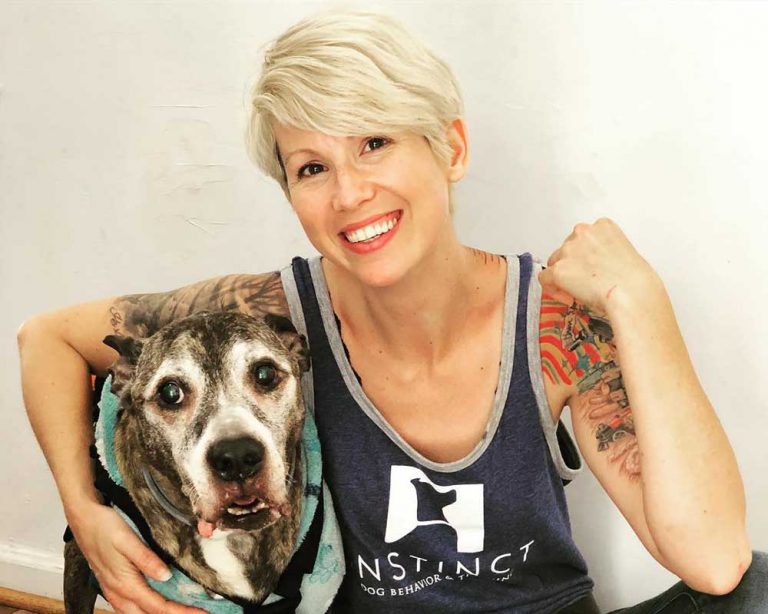
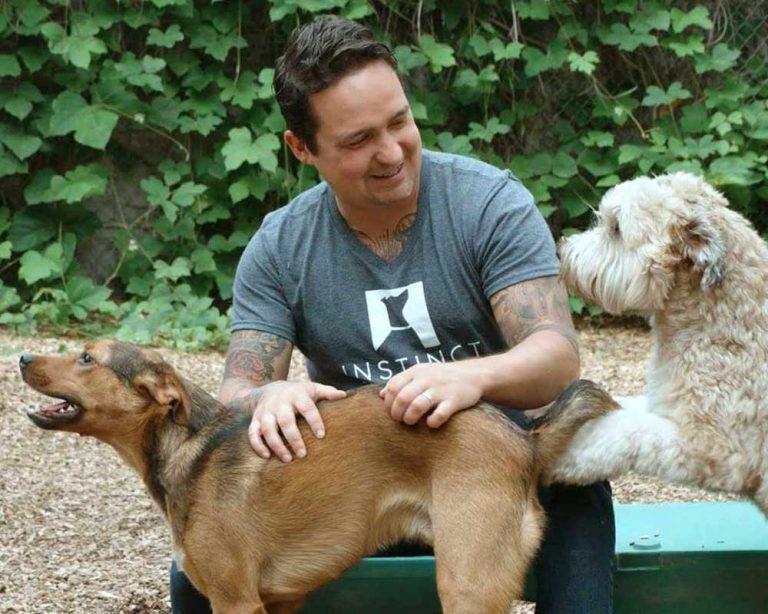
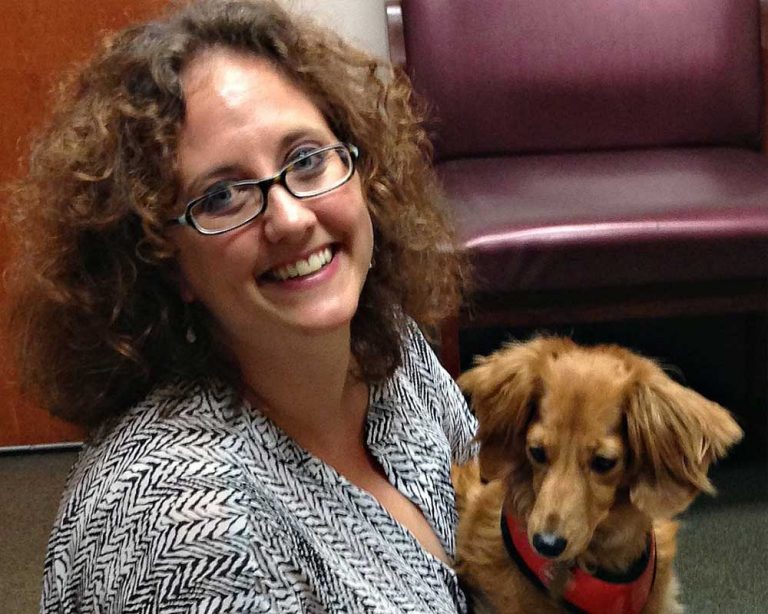
Our leadership team of certified behavior consultants, board-certified veterinary behaviorists, and business and technology specialists are working hard every single day to bring you and your dog a learning experience like no other.

Walk with the dreamers,
the believers, the courageous,
the cheerful, the planners, the doers,
the successful people
with their heads in the clouds
and their feet on the ground.
Let their spirit ignite a fire within you
to leave this world
better than when you found it.
–Wilferd Peterson

💡 Why don’t dogs like phones?💡
“Dogs are incredibly attentive to our behavior patterns, including where we’re looking, how we’re moving, and whether we’re available to interact” says Dr. Chris Pachel.
“When we pick up our phones, our attention shifts, often quite abruptly, and some dogs find that change frustrating or confusing. They may have been anticipating interaction, or they may have learned that nudging, barking, pawing, or otherwise interrupting us is an effective way to regain our attention. If barking or nudging makes us put down the phone and respond, even if we tell the dog to stop, we may have inadvertently reinforced the behavior.”
And it makes sense! Dogs don’t like to be left out. Bruno has been working with the Instinct team for a while, and we’re so proud of how far he’s come letting Trainer Jennifer check her phone during a training session.
We tailor training sessions to your needs, and we’re here to provide creative solutions to unique challenges, without judgement!


💬 Why is it so important to have a training plan? 💬
According to Dr. Pachel, DVM, “having a training plan is so important because it allows us to anticipate some potential outcomes, hurdles, and do it intentionally to minimize mistakes and confusion a dog might experience.”
We couldn’t agree more, and our team of professional dog trainers are here to help craft a training plan that fits you and your dog’s individual needs! From basic manners to managing challenging environments, our job at Instinct is to create individualized plans that give humans the confidence to teach their dogs with science-based guidance.
Learn more about our variety of training packages and offerings at instinctportland.com
🐾 MEET THE TEAM - CLAIRE GIESIGE, CPDT-KA🐾
Claire offers in-person and virtual coaching, as well as homeschool training. She specializes in helping clients self-train service dogs, navigate puppyhood and adolescence, and teach adult dogs everyday manners and life skills. Claire focuses on practical, accessible strategies that build strong human-canine relationships.
Claire’s dog training journey began as a volunteer guide dog puppy raiser and evolved into more than a decade of training guide dogs with Guide Dogs for the Blind and Occupaws. Before joining Instinct, she worked with pet dogs and service dog teams through City Dog Country Dog.
Claire holds a BS in Psychology from Oregon State University, along with her Certified Professional Dog Trainer (CCPDT) credentials, Karen Pryor Puppy Start Right certificate, and Guide Dog Mobility Instructor qualifications. She is a Professional Member of APDT and a supporting member of IAABC.
We’re a better team with Claire among us. Thanks, Claire, for your dedication to helping dogs and humans live better lives!
Schedule a discovery call at instinctportland.com
Is your dog easily overstimulated in public?
Adding a variety of locations to your dog’s training plan can be a great start to building confidence in the world. Not only does variety provide enrichment and healthy challenges for your dog, taking the time to observe them in different environments can help paint a bigger picture for your dog’s needs. Greta has been working with Trainer Claire for a while, and even at 2 years old she is adjusting so well to the big world around her.
At Instinct Portland, we aim to help you and your dog adjust to home or public environments with safety and wellbeing at the forefront. Whether it’s a parking lot or your own front yard, we design our Homeschool, Camp + Coaching, or Private Training sessions specifically for you and your dog’s goals.
Are you curious about how we can work with you and your dog to adjust to new environments?
Learn more at instinctportland.com
💬 What’s an important piece of advice you have for humans training their dogs? 💬
“One of the most important things about working with dogs is to show up with kindness,” according to Dr. Pachel, DVM. “We all make mistakes. Grace, humility, and kindness go a long way.”
This is a BIG guiding principle for us at Instinct Portland. We love our dogs, and they deserve the best from us. It’s our honor to help Portlanders live healthy and happy lives with our dog, and that means showing up with positivity and an open mind with our clients.
Our well-rounded and knowledgeable trainers are here to assist you on your training journey. Learn more at instinctportland.com
How do we work towards awesome recall in puppies and adolescents? By balancing hard work with play, of course! Check out Instinct client, Daisy, who has been working on calm greetings and safe playtime with Trainer Jennifer and Helper Dog Keely. We’re grateful for our puppy clients who keep us young at heart 💙
Want to learn more about how we incorporate structured play into our training sessions? Go to instinctportland.com!
🐾 MEET THE TEAM - TAYLOR SNEAD, CBCC-KA, IAABC-ADT 🐾
Taylor is Instinct Portland’s Director of Operations as well as a certified behavior consultant which means they enjoy supporting the team and solving puzzles, both people and dog-related. With over 10 years of dog experience, Taylor thrives on working with complex behavior issues, including those related to aggression. Their shelter background and consultation work give them a grounded, practical perspective on the cases that families often find most challenging.
Taylor holds a BS in Business Administration and a BA in German, along with their Certified Behavior Consultant – Canine and Accredited Dog Trainer credentials. Their dual academic and credentialing background informs their work across both the operational and behavioral sides of Instinct Portland.
Outside of working with Instinct, Taylor enjoys hiking, spending time with their Belgian Malinois and Labrador and training them for dog sports, spending time with their partner, and playing Dungeons & Dragons with friends.
Thank you, Taylor, for being such a valued member of our Instinct Portland staff!
💡DID YOU KNOW? - Poodle edition💡
Poodles are a popular breed for a reason! Although they were originally bred as hunting dogs in Germany, they retained that work ethic and are considered one of the ⭐️”golden 4”⭐️ breeds for service dogs.
Highly trainable, social, and with a flamboyant appearance that can be spotted from a mile away, we love ‘em here at Instinct Portland, and our trainers are here to encourage you on your training journey, no matter what goals you and your Poodle (or Poodle-mix!) have in mind.
Learn more about our Private Coaching, Homeschool, or Camp + Coaching offerings at instinctportland.com.
Shout out to Whimsy for being such a great model!
🐾 MEET THE TEAM - KAYSHA ROGERS-SCHULER, CBCC-KA, CPDT-KA 🐾
Kaysha is our Director of Behavior & Training at Instinct Portland, and still finds time to do in-home consultations, home school, and work with Camp + Coaching clients. She is a Certified Dog Parkour Instructor with the IDPKA and has competed with and titled her own dogs (primarily in Flyball). Kaysha also enjoys Lure Coursing, Barn Hunt, Rally Freestyle and more. It’s hard to find something Kaysha can’t do!
Kaysha holds a BSc. from Oregon State University in Animal Science, with an option in Animal Behavior. Her academic foundation in animal science and behavior, combined with hands-on competition and training experience across multiple dog sports, shapes her well-rounded approach to working with dogs and the families who love them.
Beyond the clinic, Kaysha lives outside Portland with her husband, two kids and their two dogs: Wiley (Border Collie/Mini American Shepherd) and Pip (Terrier mix).
Thank you, Kaysha, for all you do for us at Instinct Portland!
🍂🍃 Fall is quickly approaching in Portland 🍂🍃
That means lots of yummy treats and tempting smells in the kitchen, many that your dog would probably love to try and enjoy! Have your dog “sit” or “wait” for a seasonal snack as you’re prepping food for friends and family.
Remember, not all autumnal ingredients are dog-friendly, and always consult your vet if you have any questions.


